Product Spotlight: AMTek Microwaves
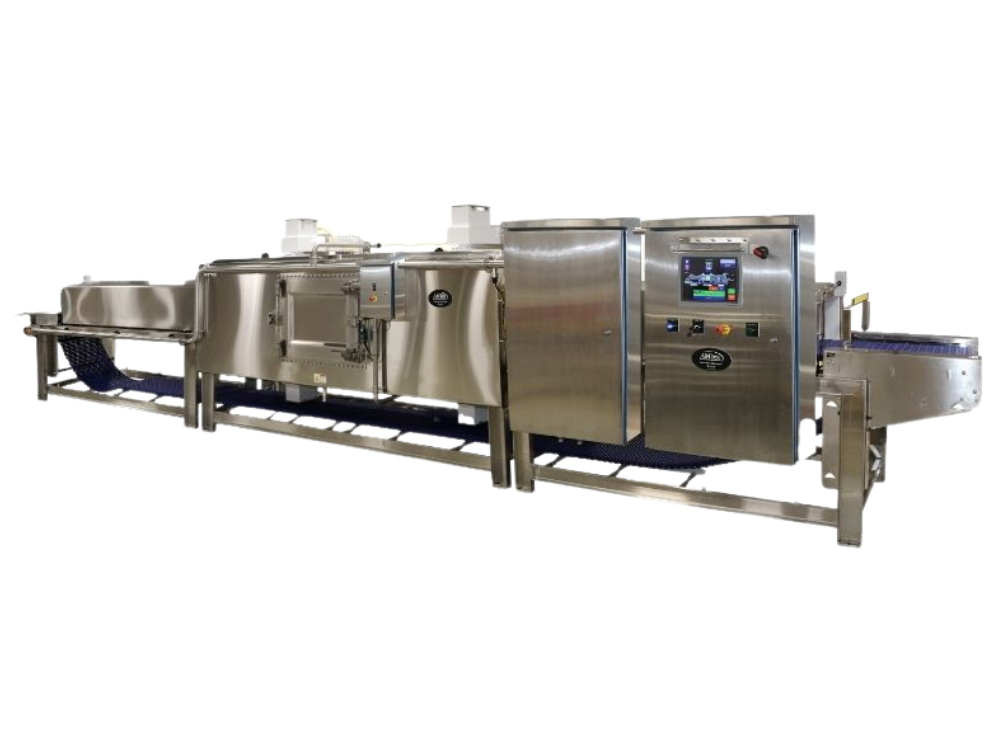
Industrial microwaves are ideal for tempering, cooking and drying a variety of products.

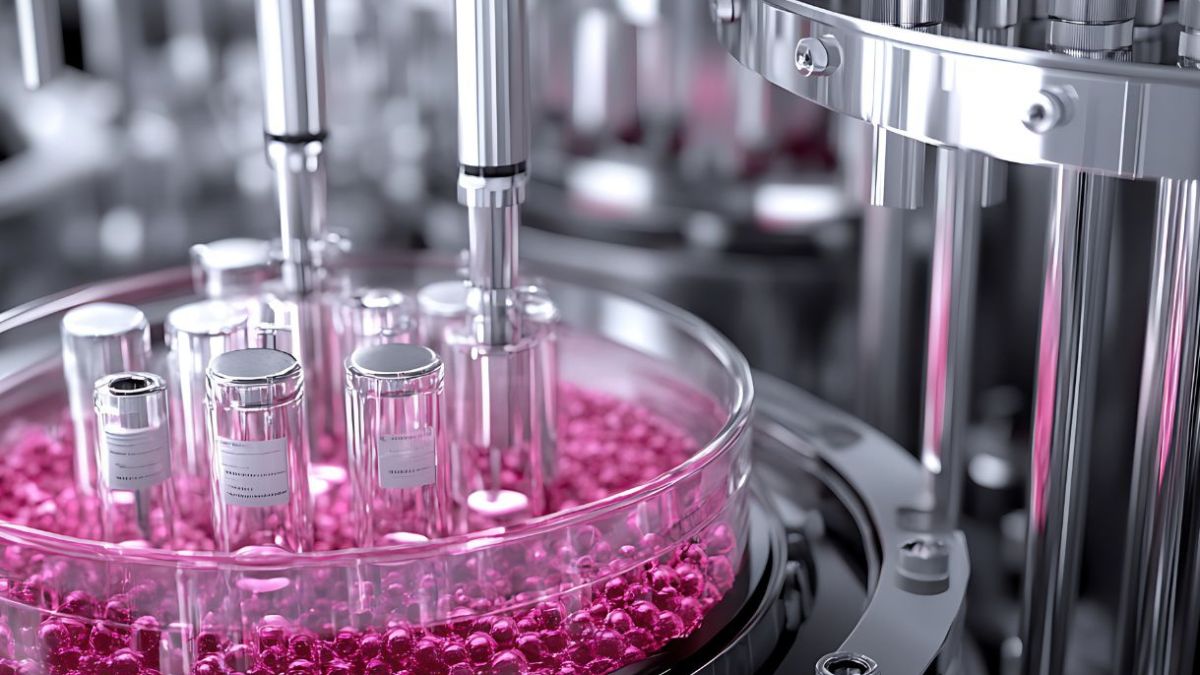
Pharmaceutical packaging systems play a vital role in maintaining the quality, sterility and traceability of medicines. From the point of production to final delivery, these systems protect products from contamination, degradation and damage, ensuring every dose remains safe and effective.
Effective systems will work in close harmony with filling, labelling and inspection equipment, forming a continuous process that supports consistency and compliance. They preserve medicine quality while helping manufacturers meet evolving regulatory standards and deliver dependable output at scale.
Packaging systems depend on close coordination with both upstream and downstream processes to maintain quality and efficiency.
Upstream, they rely on precise filling and dosing operations. The relationship between pharmaceutical filling lines and packaging equipment determines much of a facility’s overall efficiency. Downstream, packaging systems link directly with labelling, cartoning and palletising systems that prepare products for distribution. When these elements are fully aligned, packaging flows seamlessly with minimal handling or delay, supporting throughput and data traceability.
Integrated systems create a connected manufacturing environment where every product is accounted for from the start of production to the end of the supply chain.
Designing an effective pharmaceutical packaging system means balancing product protection, compliance and operational performance. Every design choice — from container materials to line layout — influences reliability, throughput and validation outcomes.
The process begins with understanding the product’s properties: its sterility requirements, shelf life, and sensitivity to environmental factors. These considerations determine the right primary format — such as a blister, vial or sachet — and guide the configuration of the filling, sealing and inspection systems that support it.
Compliance remains central throughout. Packaging systems must enable traceability, data integrity and validation to meet GMP and serialisation standards. Integrating vision inspection, barcode verification and automated rejection ensures every product leaving the line meets its specification.
System flexibility also plays a key role in long-term performance. Modular designs and recipe-driven control make it possible to adapt quickly to changing market needs or packaging sizes without lengthy downtime. The interaction between primary and secondary packaging layers is particularly important when planning system architecture and material flow.
Powder-based pharmaceuticals demand precise handling and containment. These formulations are particularly sensitive to moisture and airflow, which can affect stability and dosage accuracy.
Specialised systems use advanced control technologies such as vacuum transfer, dust extraction and precision auger filling to maintain cleanroom integrity and product consistency. Automated sealing and dehumidification help preserve potency while protecting operators from exposure. This combination of containment, precision and automation ensures powders are packaged safely and efficiently, meeting both quality and compliance standards.
Efficiency in pharmaceutical packaging depends on how well each system interacts within the broader production flow. From sealing and wrapping to cartoning and palletising, each stage must be synchronised to prevent delays and maintain accuracy.
Integrated pharmaceutical packaging systems provide real-time visibility and control across every step. This integration reduces manual intervention, supports consistent throughput and simplifies batch validation. Modern pharmaceutical packaging machinery is increasingly designed with connectivity and data exchange as core features.
By designing packaging systems as part of a connected network rather than isolated units, manufacturers can achieve greater reliability, reduced waste and a smoother route to market.
The ability to switch between products, pack sizes and formats quickly is essential for modern pharmaceutical manufacturing. Changeover efficiency affects both operational costs and time to market. The faster a line can transition from one product to another, the more responsive a manufacturer can be to demand fluctuations and product launches.
Traditional packaging lines often require significant manual intervention during changeovers — adjusting guide rails, swapping tooling, recalibrating sensors and updating control parameters. Each of these steps introduces time loss and the potential for setup errors.
Modern packaging systems incorporate quick-change components, tool-free adjustments and standardised interfaces that reduce mechanical changeover time. Pre-configured recipes stored in the control system allow operators to recall validated parameters instantly, eliminating manual data entry and reducing the risk of transcription errors.
Packaging systems designed for flexibility can accommodate multiple container types, closure styles and label formats without extensive reconfiguration. Adjustable conveyor widths, modular tooling sets and servo-driven positioning enable a single line to handle diverse product specifications.
This multi-format capability is particularly valuable for contract manufacturers and companies with diverse product ranges, as it reduces the need for dedicated lines and improves overall equipment utilisation.
Every changeover must be documented and verified to maintain GMP compliance. Pharmaceutical packaging systems that integrate electronic batch records and automated verification steps streamline this process significantly.
Vision systems can confirm correct tooling installation, weight checks verify proper setup, and the control system can prompt operators through each validation step. This structured approach reduces changeover variability and ensures each production run begins from a verified state.
While flexibility is valuable, it must not compromise production speed or consistency. Well-designed systems maintain the same level of precision and output quality across all format configurations.
Manufacturers increasingly look for packaging solutions that deliver both operational agility and validated performance, allowing them to respond to market needs without sacrificing compliance or efficiency.
Sustainability is becoming an integral part of pharmaceutical packaging strategy. Manufacturers are rethinking materials, processes and energy use to reduce environmental impact while maintaining compliance and product protection.
Modern pharmaceutical packaging systems can now incorporate recyclable materials, lightweight laminates and energy-efficient components without compromising barrier performance. Intelligent temperature control, precision film cutting and digital waste monitoring also help reduce resource consumption.
Industry initiatives around sustainable pharmaceutical packaging continue to evolve, with many manufacturers finding that environmental responsibility and operational efficiency can advance together.
Getting the right systems in place for your pharmaceutical packaging needs is essential for ensuring product safety, regulatory compliance and manufacturing efficiency. When systems are designed with performance, flexibility and automation in mind, they create a foundation for reliable, high-quality production.
Manufacturers that focus on integration and continuous improvement can achieve the consistency and traceability required in today’s pharmaceutical environment — while building packaging operations that adapt to evolving technical and regulatory needs.
Interested in our packaging solutions, have a question for our team or want to arrange an equipment trial?
Our team is always happy to answer any questions you may have and provide you with the information you need to make the right decision for your business.
Contact us today and one of our experts will get back to you.

Industrial microwaves are ideal for tempering, cooking and drying a variety of products.