Product Spotlight: AMTek Microwaves
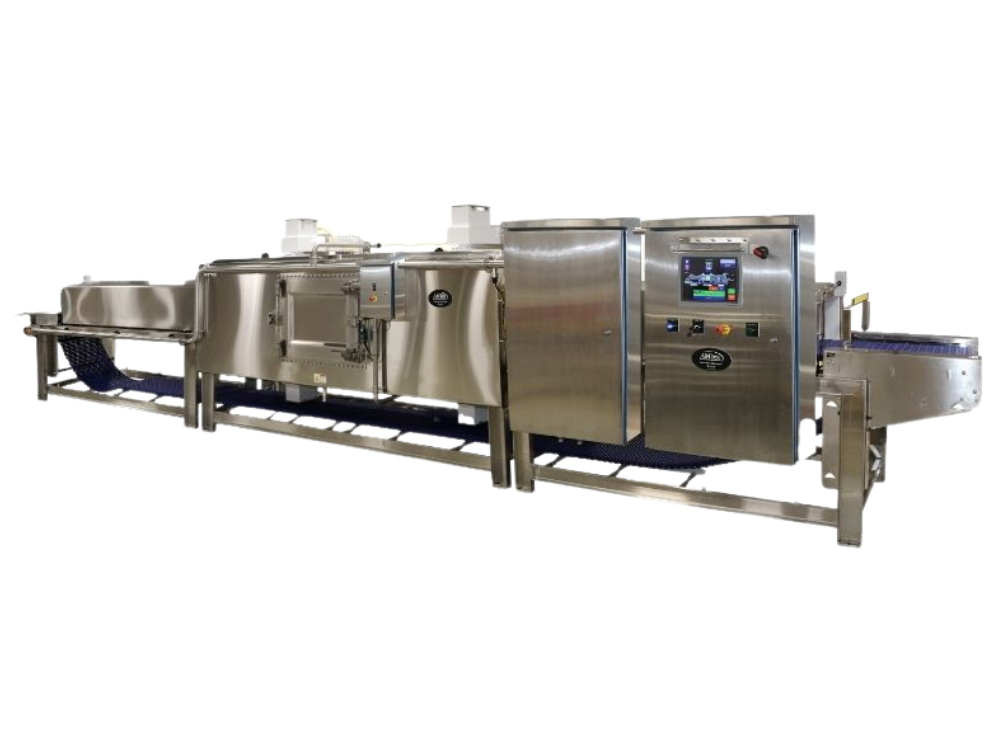
Industrial microwaves are ideal for tempering, cooking and drying a variety of products.

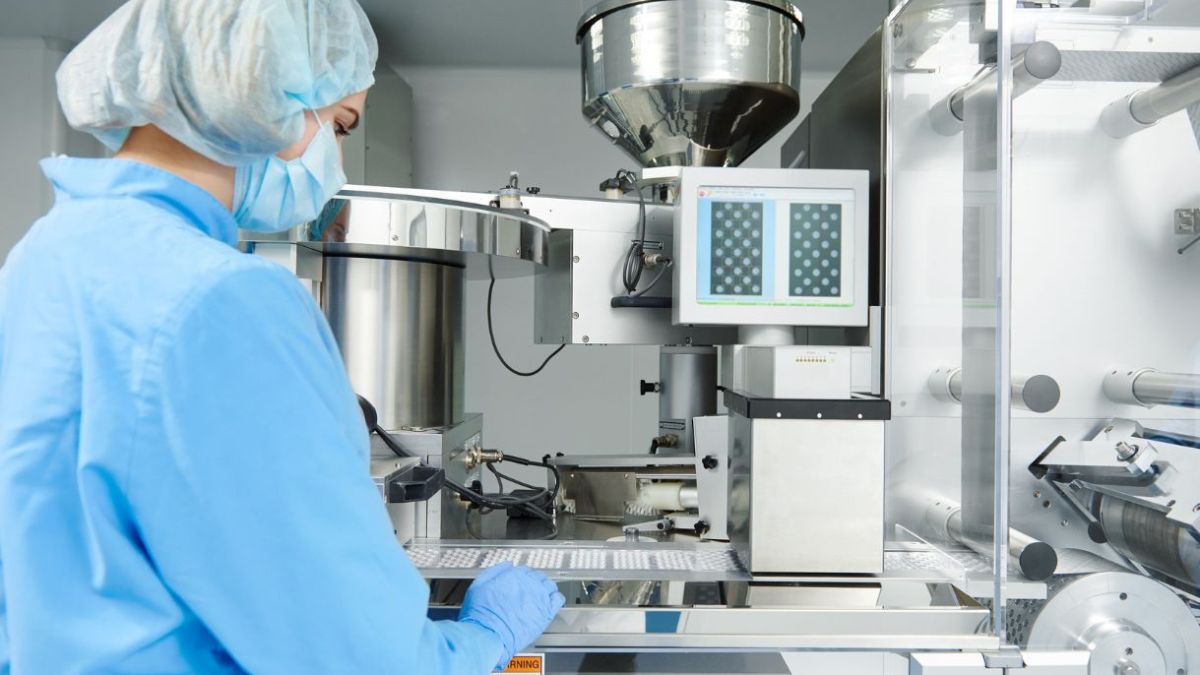
Pharmaceutical powders present some of the most demanding packaging challenges in medicine manufacturing. From inhaled therapies and antibiotic formulations to nutritional supplements and reconstitutable injections, these products require careful handling to maintain potency, prevent contamination and ensure accurate dosing.
This guide explores the essential considerations for the packaging of powders in pharmaceutics, covering the technical systems and material choices that protect product integrity while maintaining regulatory compliance.
Powder formulations behave differently to liquids or tablets, presenting unique handling and protection challenges throughout the packaging process.
Unlike liquids that flow predictably or tablets with defined dimensions, powders vary in particle size, density and flow characteristics. Fine powders can become airborne easily, creating dust that poses both a contamination risk and an operator safety concern. Coarser powders may bridge or clump, affecting dosing accuracy and equipment performance.
Moisture sensitivity is another critical factor. Many pharmaceutical powders are hygroscopic, meaning they absorb water from the air. Even minor moisture exposure can trigger chemical degradation, reduce shelf life or alter the powder’s flow properties. This makes barrier protection and environmental control essential from the moment of filling through to end use.
Electrostatic charge can also complicate powder handling. Some formulations attract particles to equipment surfaces or container walls, leading to inconsistent fills and cleaning challenges. The packaging system must account for these behaviours through material selection, grounding and controlled transfer mechanisms.
Pharmaceutical powders are packaged in various formats depending on dose size and usage. Single-dose sachets and stick packs offer convenience and protection for products like oral rehydration salts or probiotic powders. Multi-dose bottles work well for bulk powders dispensed by healthcare professionals. Blister packaging provides individual unit dose protection for products requiring maximum stability. Each format demands different sealing technologies and barrier materials, but all share the same fundamental requirement: keeping moisture out and product integrity intact.
Keeping powders contained and protected from environmental factors is critical for both product quality and operator safety.
Modern packaging of pharmaceutical powders relies on closed transfer systems that minimise exposure. Vacuum conveyors transport powder from bulk containers to filling stations without releasing particles into the cleanroom environment. Dust extraction systems capture any powder that escapes during filling or changeover, protecting both personnel and adjacent production areas.
These containment measures also improve product recovery. Powder that would otherwise be lost to the atmosphere or cleaning procedures is instead captured and, where appropriate, returned to production. This reduces waste and ensures more consistent material usage across batches.
Moisture is often the primary enemy of powder stability. The packaging of powders in pharmaceutics must create an effective barrier between the product and ambient humidity, starting from the moment of filling.
High-quality barrier films and foils form the first line of defence. Aluminium laminates offer excellent moisture resistance for products requiring extended shelf life, while metallised films provide good protection at lower cost.
Environmental control during the packaging operation itself is equally important. Many powder filling lines operate in dehumidified zones where relative humidity is maintained well below ambient levels. This prevents moisture absorption during the filling process and ensures seals are applied to dry surfaces for maximum integrity.
Desiccants placed inside containers provide ongoing protection after packaging. Silica gel sachets or integrated desiccant caps continue to absorb any residual moisture or humidity that penetrates the primary barrier over time.
Induction sealing adds another layer of protection for bottle-packed powders. The heat-sealed foil liner creates a hermetic seal that prevents moisture ingress far more effectively than a screw cap alone. This combination of barrier materials, controlled environment and active moisture control keeps pharmaceutical powders stable throughout their intended shelf life.
Accurate dosing is non-negotiable in pharmaceutical powders, where even minor variations can affect therapeutic efficacy and regulatory compliance.
Auger fillers use a rotating screw to meter precise volumes of powder into containers, with dosing accuracy controlled by the number of rotations and the auger’s pitch.
These systems excel with free-flowing powders that have consistent particle size and density. The auger design can be customised to match the powder’s characteristics—fine-pitch screws for light, fluffy powders and coarser pitches for denser materials. Multiple augers can operate simultaneously on rotary filling machines, delivering high-speed production without sacrificing accuracy.
Integration with check-weighing systems provides real-time verification. Each filled container passes over a scale that confirms the dose is within specification. Containers outside tolerance are automatically rejected, ensuring only accurate doses continue downstream.
Volumetric filling measures powder by volume, making it faster but potentially less accurate when powder density varies between batches. Gravimetric filling measures by weight, providing superior accuracy regardless of density fluctuations but typically at lower speeds.
The choice depends on product characteristics and regulatory requirements. High-value or potent compounds often justify gravimetric systems for their precision. Products with stable density and less stringent dose requirements may perform well with volumetric filling.
Some powders don’t flow consistently enough for either approach without assistance. In these cases, vibratory feeders or agitators help maintain steady flow into the filling mechanism, reducing the risk of short fills or overfills caused by bridging or ratholing in the hopper.
Beyond initial weighing, vision inspection systems verify that containers are properly sealed and labelled. For transparent or translucent packaging, cameras can detect underfilled containers or foreign matter contamination that weight checks might miss.
Automated rejection removes non-conforming units without stopping the line. Rejected containers are diverted to a separate collection point where they can be inspected, documented and, where appropriate, reworked. This automation eliminates variability while maintaining the continuous flow that pharmaceutical automation enables across modern production lines.
Powder packaging doesn’t operate in isolation—it must connect seamlessly with upstream processing and downstream secondary packaging.
The journey begins with milling and blending operations that create the powder formulation. From there, the material typically moves to intermediate bulk containers that feed the packaging line. This transfer must maintain the powder’s characteristics and prevent segregation, where different particle sizes separate during handling.
Next, powder flows from bulk storage into filling systems, then into primary containers. The filling, sealing and inspection steps must occur in rapid succession to minimise exposure to ambient conditions.
Secondary packaging follows immediately. Filled containers move to labelling stations, then into cartons or boxes that provide additional protection and carry regulatory information. Case packing and palletising prepare products for distribution, with serialisation data captured at each stage to enable full traceability.
Choosing pharmaceutical packaging machinery that can handle powder-specific requirements while maintaining line efficiency requires careful consideration of product characteristics, batch sizes and changeover frequency. Equipment must accommodate the powder’s flow properties, dust generation potential and moisture sensitivity while delivering the speed and flexibility that modern pharmaceutical manufacturing demands.
Data integration ties these stages together. Modern packaging lines capture fill weights, seal integrity results, inspection outcomes and serialisation codes in real time, creating a complete electronic batch record that supports regulatory compliance and quality investigation when needed.
Powder packaging systems must meet stringent good manufacturing practice (GMP) requirements while using materials that protect product stability throughout its shelf life.
GMP establishes the baseline for pharmaceutical powder packaging operations. Equipment must be qualified through installation, operational and performance qualification (IQ/OQ/PQ) protocols that demonstrate consistent performance under defined conditions.
Preventing cross-contamination between products is particularly important for powder systems. Thorough cleaning between batches removes residual material, while proper material selection ensures surfaces don’t harbour product in crevices or joints. Equipment designed for pharmaceutical use typically features smooth, cleanable surfaces with minimal dead spaces.
Batch documentation and traceability requirements mean every stage of the packaging process must be recorded. Automated systems capture this data electronically, reducing transcription errors and enabling rapid investigation if quality issues arise. Weight data, seal integrity results and environmental conditions during packaging all form part of the permanent batch record.
Pharmaceutical packaging regulations cover these requirements in detail, but the key consideration for powders is ensuring systems can be validated and maintained to the standards required for sterile or high-potency formulations.
Primary packaging materials must be compatible with the pharmaceutical powder they contain. USP Class VI testing confirms that plastics don’t leach harmful substances into the product, while extractables and leachables studies identify any potential interaction between container and contents.Products requiring long shelf life or those highly sensitive to moisture need materials with very low moisture vapour transmission rate (MVTR) values—typically achieved through aluminium foil laminates or metallised films.
Chemical compatibility matters too. Some active pharmaceutical ingredients react with certain plastics or adhesives, making material selection a product-specific decision that requires stability testing under accelerated conditions.
The balance between protection and environmental responsibility is increasingly important. Manufacturers must weigh the protection their product requires against the growing push towards sustainable pharmaceutical packaging solutions that reduce environmental impact without compromising safety or efficacy.
The packaging of pharmaceutical powders requires specialised equipment and environmental controls that address the unique behaviour of powder formulations. From containment systems that protect operators and product to precision filling technology that ensures accurate dosing, every element must work together to maintain quality and compliance.
The right combination protects both product integrity and long-term business success in this technically demanding sector.
Looking to improve your powder packaging capabilities? Omori UK specialises in pharmaceutical packaging solutions designed for the unique demands of powder formulations. Get in touch to discuss how we can support your production requirements.
Interested in our packaging solutions, have a question for our team or want to arrange an equipment trial?
Our team is always happy to answer any questions you may have and provide you with the information you need to make the right decision for your business.
Contact us today and one of our experts will get back to you.

Industrial microwaves are ideal for tempering, cooking and drying a variety of products.