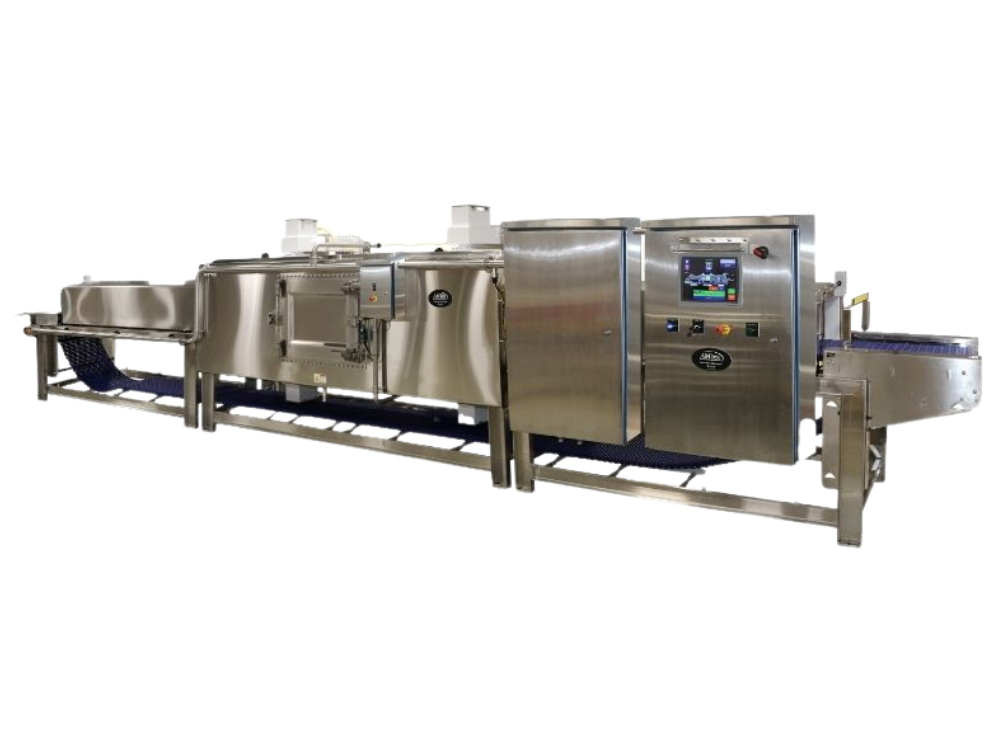
Product Spotlight: AMTek Microwaves
Industrial microwaves are ideal for tempering, cooking and drying a variety of products.

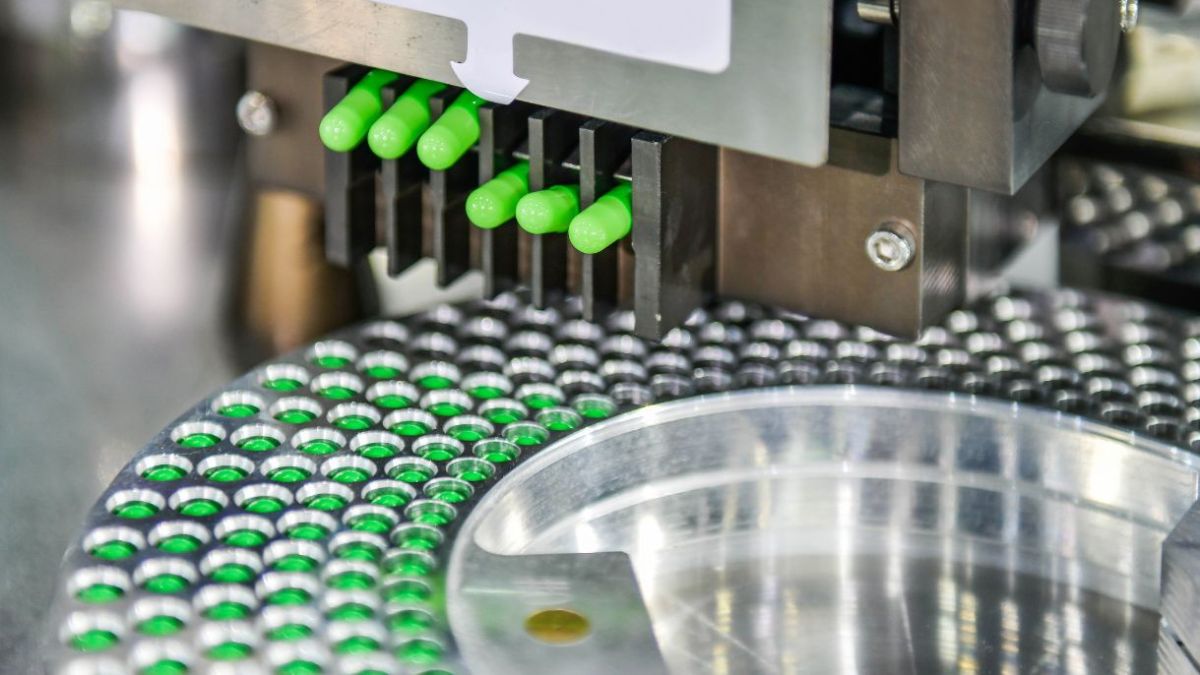
Contamination in pharmaceutical manufacturing poses a serious threat to patient safety, regulatory compliance and business sustainability. From physical particles and chemical residues to microbial intrusion, unwanted substances can compromise product quality at any stage of production, packaging or storage.
Implementing robust contamination control in pharmaceutical industry manufacturing requires a comprehensive approach that addresses personnel, facilities, equipment and processes. The right machinery and inspection systems form critical defence layers that protect pharmaceutical integrity throughout the manufacturing chain.
Pharmaceutical contamination occurs when undesired impurities enter raw materials, intermediates or finished products during manufacturing, packaging, storage or transport. These contaminants can adversely impact product quality, efficacy and safety.
Three primary categories define contamination types in pharmaceutical facilities:
Cross-contamination represents a particularly insidious risk where contaminants transfer between different products, batches or production lines. This occurs when multiple products share facilities or equipment without adequate separation measures. Even trace amounts of highly potent substances can pose serious health risks if they contaminate other pharmaceutical products.
Skin particles, hair, clothing fibres and inadequate hygiene practices introduce contaminants into controlled manufacturing environments. Without proper training and protective equipment, operators inadvertently compromise product purity through direct contact or airborne shedding.
Manufacturing facilities themselves can harbour contamination risks through poor design, inadequate space that facilitates mix-ups, insufficient pest control measures and improper ventilation systems. Surface materials that retain moisture or particulates create environments where microorganisms proliferate and chemical residues accumulate.
Raw materials and components may arrive contaminated with impurities, microorganisms or foreign substances. Equipment that comes into contact with products can introduce contaminates if not properly cleaned or maintained, causing mechanical wear to introduce particulates. Shared equipment multiplies cross-contamination risks when changeover procedures fail to remove all traces of previous products.
A contamination control strategy provides a holistic framework that identifies potential contamination sources, assesses risks and implements preventive measures. This systematic approach integrates facility design, equipment selection, process validation, personnel training and monitoring programmes into a cohesive quality assurance system.
Risk assessment forms the foundation of effective contamination control strategies. Quality risk management principles evaluate the likelihood and severity of contamination events, prioritising controls based on patient safety. This proactive methodology considers interactions between multiple contamination sources rather than addressing isolated risks.
Regulatory frameworks including EU GMP Annex 1, FDA guidance documents and ICH guidelines mandate comprehensive contamination control strategies for sterile and non-sterile products. These requirements emphasise validated procedures, adequate facility design and continuous monitoring to establish and maintain control states throughout manufacturing operations.
Equipment design plays a crucial role in contamination prevention. Smooth surfaces without crevices or dead spaces facilitate thorough cleaning and prevent residue accumulation. Contained transfer systems move materials between process steps without environmental exposure, eliminating both product contamination and operator exposure risks.
Using the right machinery to prevent pharmaceutical contamination starts with selecting equipment constructed from appropriate materials that neither shed particles nor react with pharmaceutical ingredients. Stainless steel grades must meet specifications for corrosion resistance and surface finish. Seals, gaskets and O-rings require validation to ensure they don’t leach extractables into products.
Automated systems reduce human intervention and associated contamination risks. Closed processing equipment minimises product exposure to the manufacturing environment whilst protecting operators from potent substances.
Containment technology including isolators and restricted access barrier systems create physical separation between products and potential contamination sources.
Pharmaceutical inspection systems form essential quality control checkpoints that detect contamination before products reach patients. Vision inspection technology identifies foreign particles, packaging defects and label errors at production line speeds. These automated systems maintain consistent detection sensitivity whilst eliminating human fatigue factors.
X-ray inspection penetrates packaging to reveal metal fragments, glass shards, dense plastics and other foreign objects invisible to visual inspection. This non-destructive testing verifies product integrity and fill levels without opening sealed containers. Rejection systems automatically divert contaminated units before they enter distribution channels.
Weight checkers and metal detectors provide additional screening layers for specific contamination types. Combining multiple inspection technologies creates comprehensive detection coverage that addresses diverse contamination risks encountered across pharmaceutical manufacturing operations.
Primary packaging equipment must operate in controlled environments appropriate to product contamination risks. Filling machines for sterile products require Grade A/B cleanroom conditions with laminar airflow protection. Non-sterile solid dosage form packaging tolerates less stringent environments but still demands particle control and regular sanitisation.
Tamper-evident seals for pharmaceuticals protect product integrity throughout distribution whilst providing visible confirmation that packaging remains unopened. These security features complement contamination control measures by preventing post-manufacturing adulteration. Induction sealing systems create hermetic closures that exclude moisture, oxygen and microbial contamination.
Understanding pharmaceutical packaging regulations ensures machinery meets material compatibility and performance standards. Primary and secondary packaging in pharmaceuticals work together to maintain product stability and prevent contamination during storage and transport.
Container cleaning systems remove particulates and microorganisms from bottles, vials and closures before filling operations. Automated washing, depyrogenation tunnels and sterilisation equipment prepare packaging components to receive pharmaceutical products without introducing contaminants.
Comprehensive training programmes educate personnel about contamination risks, proper gowning procedures and hygiene requirements specific to their work areas. Operators must understand how their actions impact product quality and recognise early warning signs of potential contamination events.
Cleanroom garment systems provide graduated protection levels corresponding to manufacturing area classifications. Coveralls, hoods, face masks, gloves and dedicated footwear create barriers that contain human-borne contaminants. Regular garment validation confirms adequate particle retention and microbiological protection throughout service life.
Gowning protocols enforce disciplined procedures for donning protective equipment in designated change rooms. Aseptic gowning techniques minimise particle generation whilst ensuring complete coverage of skin and hair. Personnel monitoring through settle plates, contact plates and air sampling quantifies individual contamination contributions.
Behavioural controls restrict eating, drinking, cosmetics and personal medications within manufacturing areas. Hand washing protocols require thorough cleansing before gowning and after toilet use. Health monitoring programmes exclude personnel with communicable illnesses or open wounds from direct product contact roles.
Cleanroom classification systems define particulate and microbial limits appropriate to manufacturing activities and product contamination risks. ISO 14644 standards specify air cleanliness grades from ISO 3 (Grade A) for critical aseptic operations through ISO 8 (Grade D) for less critical support areas.
Material and personnel flow patterns prevent cross contamination through spatial separation and directional controls. Raw material entry occurs through dedicated airlocks with material decontamination procedures. Personnel access follows gowning cascades that progressively increase cleanliness levels. Finished products exit through separate corridors that never intersect with incoming material pathways.
Pressure cascades maintain positive pressures in clean areas relative to surrounding spaces, preventing particulate infiltration when doors open. Airlock systems with interlocked doors ensure only one barrier opens at any time. Pressure differentials of 10-15 Pascals between adjacent classified areas provide adequate protection without excessive air velocities.
HEPA filtration removes 99.97% of 0.3 micron particles from supply air. Filter integrity testing confirms installation without bypass leaks that would compromise protection. Regular filter replacement prevents breakthrough as dust loading reduces filtration efficiency over time.
Cleaning validation provides documented evidence that approved procedures consistently remove product residues, cleaning agents and microbial contamination to predetermined acceptable levels. This validation demonstrates equipment suitability for subsequent product manufacturing without cross contamination risks.
Health-based exposure limits establish scientifically justified residue acceptance criteria derived from toxicological data. These permitted daily exposure values replace arbitrary limits like 10 parts per million or visual cleanliness with risk-based thresholds specific to each pharmaceutical ingredient.
Worst-case product selection identifies the most difficult to clean substances with highest toxicity, lowest solubility or greatest equipment contact area. Validation studies using these challenging compounds demonstrate cleaning effectiveness across entire product portfolios manufactured on shared equipment.
Sampling strategies combine swab testing of product contact surfaces with rinse water analysis to confirm residue removal. Analytical methods must achieve detection limits well below acceptance criteria whilst specifically identifying target residues. Total organic carbon analysers provide non-specific contamination measurements that supplement compound-specific testing.
Environmental monitoring programmes track particulate and microbial levels through viable and non-viable particle counting, surface sampling and personnel monitoring. Trending this data reveals gradual degradation requiring corrective actions before contamination events occur.
Alert and action levels trigger investigations when monitoring results exceed normal operating ranges but remain below specification limits. These early warning thresholds enable proactive interventions that prevent out-of-specification conditions. Root cause investigations identify contamination sources and implement permanent corrective actions.
Change control procedures evaluate modifications to facilities, equipment, processes or materials for potential contamination impacts. Risk assessments determine whether changes require revalidation of cleaning procedures, environmental controls or processing parameters.
Guidelines for stability testing of pharmaceutical products complement contamination control strategies by confirming products maintain quality attributes throughout their shelf life despite environmental stresses encountered during storage and distribution.
Effective contamination prevention in pharmaceutical manufacturing demands integrated controls spanning facility design, equipment selection, process validation, environmental monitoring and personnel management. No single measure provides complete protection, but layered defences create robust systems that protect product quality and patient safety.
For pharmaceutical manufacturers seeking to enhance their contamination control programmes, selecting the right equipment partner makes all the difference. Contact Omori UK to explore how our pharmaceutical packaging and inspection solutions can strengthen your quality assurance systems and protect product integrity.
Interested in our packaging solutions, have a question for our team or want to arrange an equipment trial?
Our team is always happy to answer any questions you may have and provide you with the information you need to make the right decision for your business.
Contact us today and one of our experts will get back to you.

Industrial microwaves are ideal for tempering, cooking and drying a variety of products.