Visit us at UKPackaging Expo
10–11 Nov · Exhibition Centre Liverpool · Stand E26.


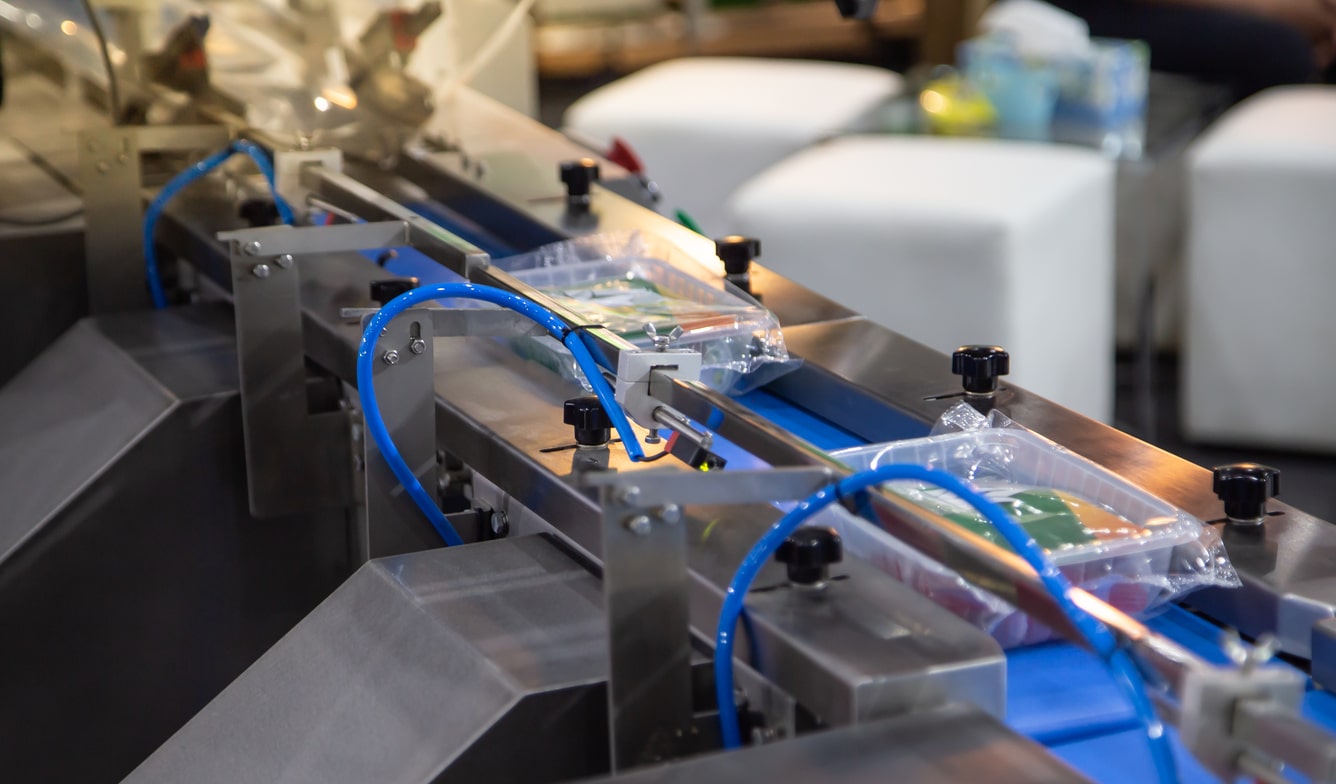
A high-speed flow wrapping machine can be relevant when wrapping has become a genuine production constraint. It is not automatically the right answer whenever output needs to increase.
Omori’s flow-wrapper range should be assessed against the product, feeding method, film, pack quality and the capacity of the complete line. A faster wrapper only creates value when the surrounding process can support it consistently.
This guide explains when higher-speed flow wrapping may be justified and what to validate before prioritising speed.
High-speed flow wrapping describes an application where higher output is a central requirement. The useful measure is not a headline machine figure in isolation, but the sustained output that can be achieved with the actual product, film, operators and connected equipment.
Products commonly considered for flow wrapping include bakery items, confectionery, snacks, meat and poultry, cheese, fresh produce and pharmaceutical products. High-speed suitability still depends on how consistently the individual product can be presented, wrapped, sealed and moved downstream.
It may be appropriate where demand is sustained, the product is repeatable, feeding is stable and there is evidence that wrapping is the current or future bottleneck.
Typical triggers include capacity pressure on an existing wrapper, planned volume growth, excessive manual intervention or the need to connect wrapping more effectively with feeding, inspection, coding and downstream packaging.
It may be the wrong priority where stoppages are caused by unstable products, inconsistent spacing, unsuitable film, frequent changeovers, difficult cleaning or downstream equipment that cannot keep pace.
Omori should be involved before a machine is shortlisted. Reviewing the application against the available flow wrap machine options helps establish whether speed, line configuration or another constraint needs to be addressed first.
Higher output depends on products arriving in a consistent condition and orientation. Record dimensions, weight, variation, fragility, surface condition and any tendency to move, rotate, bunch or become damaged during transfer.
If product behaviour is unstable, increasing speed can magnify the problem rather than solve it.
The wrapper can only process what the infeed supplies consistently. Confirm how products arrive, how gaps are controlled and whether manual or automated feeding is appropriate.
The required feeding method is application-specific and should be confirmed by Omori rather than inferred from the wrapper alone.
Define the acceptable pack appearance, seal position, product orientation, coding space and any print-registration requirements. The selected film must run and seal consistently at the intended operating conditions.
Material-saving, environmental or seal-performance claims should not be made without approved evidence and application testing.
Coding, labelling, checkweighing, inspection, reject handling, cartoning and case packing can all limit practical output. Map the complete route from product infeed to finished pack before deciding that wrapper speed is the priority.
A machine may run quickly during a stable campaign but lose substantial productive time through frequent format changes, cleaning or difficult operator access. Assess the full operating pattern, not only steady-state speed.
Higher-output production increases the importance of planned maintenance, operator training, spare-parts planning and service support. These requirements should be understood before procurement.
A standard-speed wrapper may be the stronger choice where product variation is high, runs are short, changeovers are frequent or the wider line cannot support higher output. In some cases, improving infeed, inspection or downstream handling may deliver more value than replacing the wrapper.
Omori’s wider packaging machinery capability allows the requirement to be considered as a connected line rather than a single-machine comparison.
Provide current and forecast output, product samples and dimensions, pack format, proposed film, line layout and details of upstream and downstream equipment. Include changeover frequency, cleaning routines, operator involvement and any recurring stoppages.
This gives Omori a realistic basis for evaluating whether higher-speed flow wrapping is appropriate and what would need to change elsewhere on the line.
Clear answers help prevent a high-speed project from becoming a machine-only purchase when the real requirement is a better-balanced production line.
Where possible, agree how the proposed setup will be demonstrated or tested with representative products and materials. The aim is not to obtain an unsupported guarantee, but to make the assumptions and remaining technical risks visible before procurement.
The evaluation should also consider the operating pattern across a full shift. Planned changeovers, cleaning, film changes, quality checks, minor stops and operator intervention all affect usable output. A machine that performs well for one stable product may deliver a different result across a mixed production schedule.
A useful comparison should separate nominal machine capability from the output expected in normal production. Ask suppliers to explain the assumptions behind any stated speed, including product consistency, infeed method, film, pack length and connected equipment.
| Area | Question to ask | Action before shortlisting |
|---|---|---|
| Production demand | Is there sustained volume or future demand that justifies higher-speed operation? | Confirm current and forecast output requirements. |
| Product handling | Can products be fed consistently without movement, damage or spacing issues? | Document product dimensions, variability and handling behaviour. |
| Feeding and spacing | Can the upstream process deliver products at the required rate? | Review manual vs automated feeding and line timing. |
| Film and sealing | Has the packaging material been assessed for seal quality and reliable running? | Plan material and pack trials where needed. |
| Inspection and coding | Can inspection, coding and reject handling keep pace? | Map all connected systems and practical bottlenecks. |
| Changeovers and cleaning | Will setup, cleaning or format changes reduce practical output? | Review access, routines and operator requirements. |
| Service and maintenance | Is there a clear plan for training, maintenance, spares and support? | Confirm supplier support model before procurement. |
The correct solution is defined by the relationship between product handling, wrapping, sealing and downstream capacity. Omori can evaluate these elements together and identify whether the requirement calls for a faster wrapper, a different configuration or broader line changes.
For wider supplier and specification considerations, see the Flow Wrapping Machine Buying Guide.
No. It is only beneficial where the complete application can support reliable higher-output operation.
Constraints can include unstable products, inconsistent feeding, unsuitable film, sealing issues, changeovers, cleaning, inspection or downstream equipment.
Automated feeding may be appropriate, but the correct approach depends on the product, layout and required output. Omori should confirm the application-specific configuration.
Provide product samples, pack format, current and forecast output, film details, line layout, connected equipment, changeover pattern and maintenance expectations.
The final recommendation should state the expected operating conditions and the assumptions behind them. This gives production, engineering and procurement teams a shared basis for comparing options and reviewing performance after installation.
It also creates a clearer basis for later optimisation, training and maintenance planning.
Choose higher-speed flow wrapping only where the product and full line can support it. Speak to Omori about the production constraint, required output and existing equipment so the most suitable route can be assessed.
Explore Omori’s flow-wrapper range or contact the team to discuss the application.
Interested in our packaging solutions, have a question for our team or want to arrange an equipment trial?
Our team is always happy to answer any questions you may have and provide you with the information you need to make the right decision for your business.
Contact us today and one of our experts will get back to you.

10–11 Nov · Exhibition Centre Liverpool · Stand E26.